
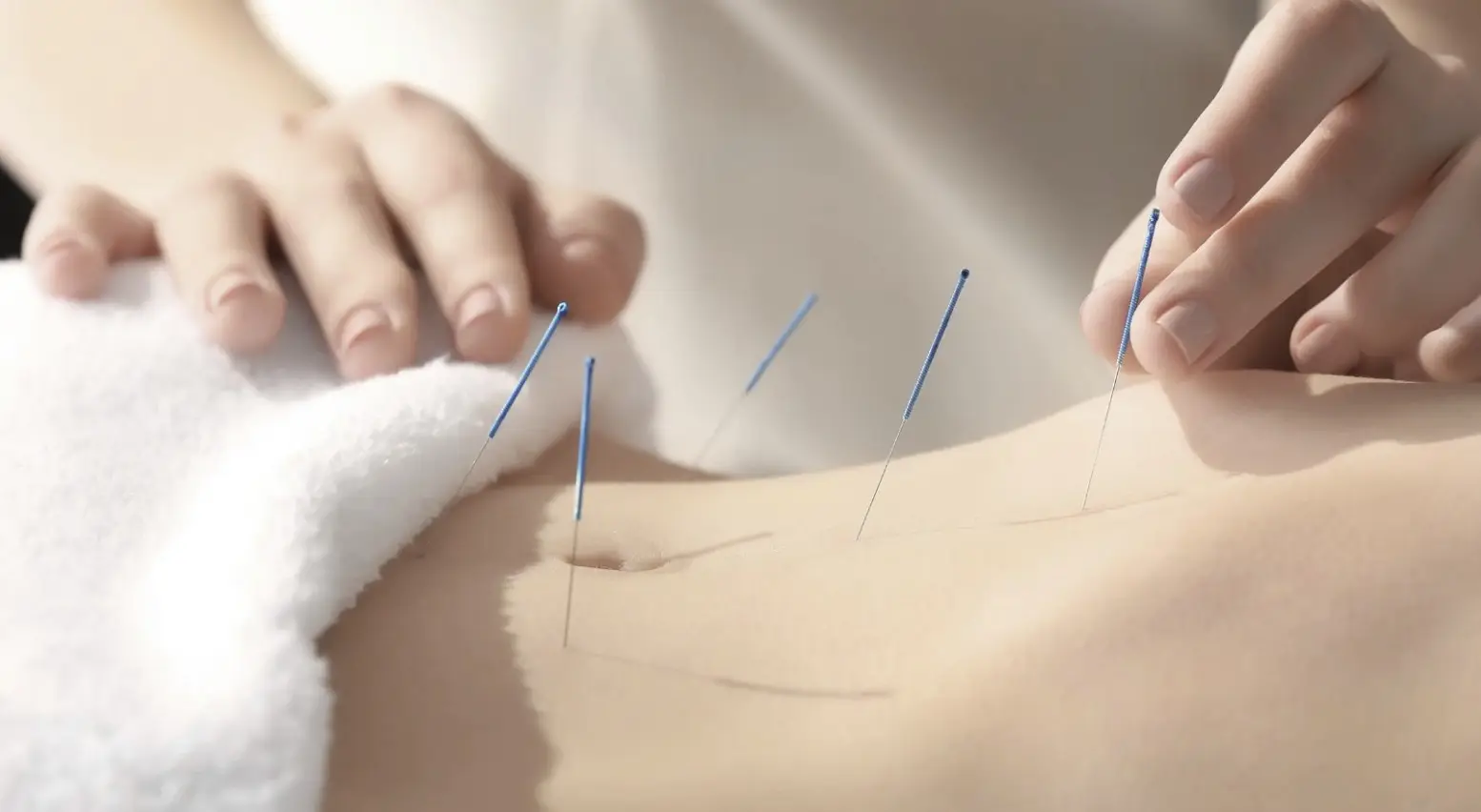
Acupuncture for stress and anxiety is often sought out when stress stops feeling purely emotional and starts feeling physical. Sleep becomes lighter, muscle tension builds, digestion changes, and energy becomes harder to recover. Even small stressors can start feeling overwhelming.
At Needle & Glow, many women seeking acupuncture for stress and anxiety describe feeling “off” long before they can explain why. Their body feels tense, reactive, exhausted, or emotionally depleted, even when they are doing everything they can to keep up.
This is because chronic stress does not just affect the mind. It affects the nervous system, hormones, digestion, sleep, and overall regulation throughout the body.
The body is designed to respond to stress in short bursts. But when stress becomes constant, the nervous system can stay stuck in a heightened state for too long.
Over time, this can contribute to:
Many women in Chicago are balancing demanding schedules, caregiving responsibilities, work pressure, and constant mental load. Eventually, the body begins responding as though it is always “on.” This is often why women begin exploring acupuncture for stress and anxiety as part of a more whole-body approach to recovery.
Stress affects more than emotions. It changes how the body functions physiologically.
When the nervous system stays activated for long periods of time:
This is often why anxiety can feel physical, burnout can feel exhausting, and stress can show up as pain, digestive issues, or chronic fatigue. The body is not overreacting. It is adapting to prolonged stress exposure.
Acupuncture for stress and anxiety focuses on helping the body shift out of chronic stress mode and into a more regulated state.
Treatment is designed to help:
Many patients notice they feel calmer, more rested, and less physically reactive after treatment. Over time, acupuncture can help the body become more resilient to ongoing stress.
From a physiological perspective, acupuncture may help regulate the autonomic nervous system and reduce the intensity of the body’s stress response.
At Needle & Glow, acupuncture for stress and anxiety is approached through the lens of the whole body, not just emotional symptoms alone.
Depending on your needs, care may also include:
Stress often becomes stored physically in the shoulders, jaw, neck, and back. Neuromuscular therapy helps release chronic tension patterns that may contribute to pain, headaches, and nervous system overload.
Stress can affect blood sugar regulation, digestion, hormones, and energy levels. Nutritional support may help stabilize the systems that influence mood, resilience, and recovery.
Hidden food sensitivities may contribute to inflammation, digestive disruption, fatigue, and mood fluctuations. Identifying triggers can reduce overall stress on the body.
Many women wait until symptoms become severe before seeking support. However, stress-related symptoms are often easier to address earlier, before the body becomes more depleted.
You may benefit from acupuncture for stress and anxiety if you are experiencing:
Even subtle symptoms can signal that the nervous system is under more strain than it can comfortably manage.
Acupuncture for stress and anxiety works best when it is combined with habits that support nervous system recovery.
This may include:
The goal is not perfection. It is helping the body spend more time in a regulated, recoverable state.
Stress may be unavoidable at times, but living in a constant state of tension and exhaustion does not have to become your baseline.
Acupuncture for stress and anxiety offers a natural, whole-body approach to supporting the nervous system, improving resilience, and helping the body recover from chronic stress patterns.
If your body has been feeling tense, reactive, exhausted, or unlike itself lately, it may be a sign that your nervous system needs support, not more pressure to keep pushing through.
Needle & Glow provides acupuncture for stress and anxiety in Chicago with a focus on nervous system regulation, emotional wellness, and whole-body support.
Schedule a consultation to explore a more integrated approach to stress relief and recovery.
Yes. Acupuncture is commonly used to support nervous system regulation, reduce stress hormone activity, and improve symptoms like anxiety, sleep disruption, tension, and fatigue.
Acupuncture may help regulate the autonomic nervous system by encouraging the body to shift out of a heightened stress response and into a more restorative state.
Many people use acupuncture to support recovery from chronic stress and burnout. Treatment can help improve sleep, energy, mood regulation, and physical tension associated with long-term stress exposure.
Some patients notice changes within a few sessions, while chronic stress patterns may require ongoing treatment for more consistent results.
Yes. Chronic stress can contribute to headaches, digestive issues, muscle tension, fatigue, sleep disruption, inflammation, and hormone imbalance.
Most patients find treatments deeply relaxing. Very fine needles are placed at specific points to support nervous system regulation and circulation.
If stress is consistently affecting your sleep, energy, digestion, mood, or overall quality of life, it may be time to seek additional support before symptoms become more severe.