
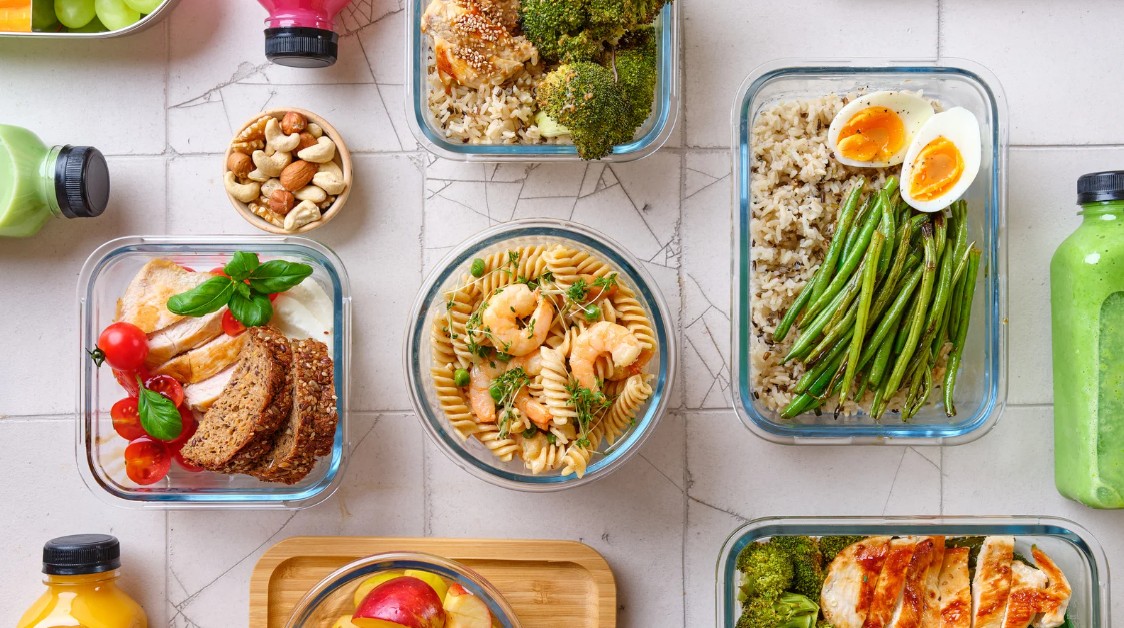
You’ve added the Greek yogurt. You’re eating more fiber. Maybe there’s a probiotic sitting in your refrigerator that you’re not entirely sure is doing anything. You’ve cut back on sugar, started buying the expensive bread, and tried adding fermented foods because someone told you they were good for your gut.
So why are you still bloated? Why does your stomach feel fine one day and completely off the next? Why are foods you’ve eaten for years suddenly bothering you?
It’s frustrating, especially when you feel like you’re already doing everything “right.”
The truth is that nutrition absolutely matters. What you eat can influence your gut microbiome, digestion, bowel regularity, inflammation, and overall health. But gut health is more complicated than eating yogurt every morning or taking a probiotic. Your hormones, stress levels, sleep, activity, medications, eating habits, and individual health history can all affect how your digestive system functions.
That’s why understanding the best foods for gut health is a useful place to start, but it shouldn’t be where the conversation ends.
There isn’t one perfect gut-health diet that works for everyone. In general, however, a varied diet that includes plenty of plant foods, fiber, fermented foods, and minimally processed whole foods can help support a healthy and diverse gut microbiome.
Your gut contains trillions of microorganisms, including bacteria that help break down components of food, produce certain compounds, and interact with your immune system. What you eat influences which microorganisms thrive, which is one reason dietary variety matters.
Instead of looking for one “superfood” that will fix your digestion, think about creating a diet that regularly provides your gut with a variety of nutrients and different types of fiber.
Here are some of the best foods for gut health to consider adding to your routine.
Fiber-rich foods are some of the best foods for gut health, yet many people don’t get enough fiber in their diet.
Fiber is found primarily in plant foods, including vegetables, fruits, beans, lentils, whole grains, nuts, and seeds. Different types of fiber behave differently in the digestive system. Some help add bulk to stool and support regular bowel movements, while fermentable fibers can serve as fuel for beneficial gut bacteria.
Good sources include:
One important caveat: more fiber isn’t always better, especially if you dramatically increase your intake overnight. If your digestive system is already sensitive, suddenly eating large amounts of fiber can leave you feeling even more bloated or uncomfortable. Increasing fiber gradually and drinking adequate fluids can make the transition easier.
And if fiber consistently makes your symptoms significantly worse, that is worth discussing with a qualified healthcare professional rather than simply forcing yourself to eat more of it.
Fermented foods are often considered some of the best foods for gut health, and there’s a reason they receive so much attention.
Foods such as yogurt with live cultures, kefir, sauerkraut, kimchi, miso, and certain fermented vegetables can contain live microorganisms. Incorporating fermented foods into a varied diet may help support microbial diversity.
But you don’t need to start drinking kombucha with every meal or forcing yourself to eat sauerkraut if you hate it.
Start with foods you actually enjoy. A serving of plain yogurt with berries, kefir blended into a smoothie, or a small amount of kimchi alongside dinner can be a much more realistic approach than overhauling your entire diet in the name of gut health.
It’s also important to remember that fermented foods don’t agree with everyone. If they consistently leave you feeling worse, don’t assume you need to “push through” because they’re supposed to be healthy.
Probiotics tend to get all the attention, but prebiotics are just as important.
Prebiotics are compounds, often certain types of fiber, that your body doesn’t fully digest. Instead, they reach the large intestine, where microorganisms can ferment them.
Foods that contain prebiotic fibers include:
You don’t need to eat every food on this list every day. In fact, some prebiotic-rich foods can contribute to gas or bloating in people with certain gastrointestinal conditions.
The goal is variety and finding foods your individual digestive system tolerates well.
“Eat more plants” may not be exciting advice, but it remains one of the most useful strategies for supporting overall health.
Different fruits and vegetables provide different fibers, vitamins, minerals, and plant compounds. Berries, leafy greens, cruciferous vegetables, herbs, apples, citrus fruits, peppers, and other colorful produce all contribute something different nutritionally.
Instead of obsessing over which fruits and vegetables are the best foods for gut health, focus on variety across the week.
If you currently eat the same three vegetables on repeat, try adding one or two different plant foods to your grocery cart each week. Small changes tend to be more sustainable than trying to suddenly eat 30 different plants because you saw a challenge on social media.
Polyphenols are naturally occurring plant compounds found in foods like berries, herbs, spices, extra-virgin olive oil, tea, coffee, cocoa, nuts, and many fruits and vegetables.
These compounds are being studied for their interactions with the gut microbiome and their broader health effects.
Fortunately, you don’t need to memorize which foods contain which polyphenols. Eating a diverse range of colorful plant foods, herbs, spices, nuts, and seeds will naturally introduce a variety of these compounds into your diet.
This is another reason variety tends to matter more than chasing a single “best” food.
Fat sometimes gets left out of conversations about gut health, but healthy dietary fats are an important part of a balanced diet.
Foods like extra-virgin olive oil, avocado, nuts, seeds, and fatty fish provide beneficial fats along with other important nutrients.
They also help make meals more satisfying. A lunch made entirely of raw vegetables may technically contain plenty of fiber, but if you’re starving an hour later, it probably isn’t a sustainable meal.
Gut health is part of overall health. Your meals still need to provide enough energy, protein, carbohydrates, fats, vitamins, and minerals to support your entire body.
Protein isn’t a probiotic or prebiotic, but it belongs in this conversation, particularly for women in midlife.
Protein supports muscle, tissue repair, immune function, and numerous processes throughout the body. As women get older, maintaining adequate protein intake becomes increasingly important for preserving muscle mass and supporting overall health.
Protein sources can include fish, poultry, eggs, dairy, beans, lentils, tofu, tempeh, nuts, seeds, and other foods depending on your preferences and nutritional needs.
Rather than focusing exclusively on what you need to eliminate for better digestion, it’s worth asking another question: Are you actually eating enough of what your body needs?
This is where the conversation gets more interesting.
You can eat plenty of vegetables, choose whole grains, drink water, eat fermented foods, and still experience bloating, constipation, diarrhea, reflux, abdominal discomfort, or unpredictable digestion.
That doesn’t automatically mean you’re eating the wrong foods.
Digestive symptoms can have many potential causes. Constipation alone can contribute to significant bloating. Eating quickly or eating large meals can leave you uncomfortable. Stress can alter digestive function. Hormonal changes can affect bowel habits. Certain medications can influence digestion. Individual intolerances and gastrointestinal conditions can also cause symptoms.
If every uncomfortable digestive symptom sends you searching for another food to eliminate, your diet can become unnecessarily restrictive very quickly.
Instead of assuming food is always the problem, it can be more useful to step back and look at what else is happening in your body.
Have you ever lost your appetite before an important presentation? Felt nauseated when you were anxious? Suddenly needed the bathroom when you were nervous?
That’s your gut and brain communicating.
Your gastrointestinal tract and central nervous system are connected through what’s commonly called the gut-brain axis. Stress can influence gastrointestinal motility, sensitivity, appetite, and other aspects of digestion. At the same time, what happens in the gut can communicate back to the brain.
This is one reason digestive symptoms sometimes become more noticeable during particularly stressful seasons of life.
You can have an excellent diet, but if you’re eating lunch at your desk while answering emails, rushing through dinner before driving someone to practice, sleeping poorly, and spending much of the day under pressure, your digestive system isn’t operating in isolation from all of that.
Food matters. So does the state your body is in when you’re eating and digesting it.
For women in their late 30s, 40s, and 50s, there may be another factor involved: hormonal change.
Estrogen and progesterone interact with systems throughout the body, not just the reproductive system. Many women notice changes in bloating, constipation, bowel habits, and digestive comfort around their menstrual cycles or during the perimenopausal transition.
This can be particularly confusing when your diet hasn’t changed.
Foods you’ve eaten comfortably for years may suddenly seem harder to tolerate. Your digestion may feel slower. You might notice more bloating around certain points in your cycle or realize that constipation has become more common than it used to be.
It doesn’t necessarily mean you’ve suddenly developed a long list of food sensitivities. It means it’s worth considering your symptoms within the context of your whole health picture.
Nutrition may be the obvious place to start when talking about digestion, but it isn’t the only tool Kari uses at Needle & Glow.
Acupuncture is often incorporated into a broader plan for clients experiencing digestive concerns, particularly when symptoms seem to worsen during periods of stress. Treatment is individualized based on the person’s symptoms, health history, and overall wellness goals.
For someone who is simultaneously dealing with bloating, disrupted sleep, high stress, hormonal changes, and digestive discomfort, looking at these concerns together can make more sense than treating each one as an entirely separate problem.
Acupuncture isn’t a substitute for appropriate medical evaluation, particularly when digestive symptoms are new, severe, or persistent. Instead, it can be one component of a more comprehensive approach to supporting overall well-being.
You could have a refrigerator full of the best foods for gut health and still be overlooking some of the fundamentals that influence digestion.
1. Slow down when you eat. Digestion starts before food reaches your stomach. Give yourself enough time to sit down, chew your food, and actually eat rather than inhaling lunch between meetings.
2. Move regularly. Physical activity supports overall health and can also help promote regular bowel function. Something as simple as walking after meals can be an approachable place to start.
3. Prioritize sleep. Poor sleep affects far more than your energy the next morning. Sleep and gastrointestinal health influence one another, which is another reason chronic sleep problems deserve attention.
4. Address ongoing stress. You cannot remove every stressful thing from your life, but practices that help your body recover from stress matter. Acupuncture, movement, breathing exercises, time outdoors, and creating actual downtime can all be part of that strategy.
5. Stop ignoring persistent symptoms. Being bloated occasionally after a large meal is one thing. Regular pain, significant changes in bowel habits, ongoing diarrhea or constipation, or symptoms that interfere with your daily life deserve a closer look.
Not every digestive issue is a gut-health problem you should try to solve through food. New or persistent gastrointestinal symptoms should be discussed with your healthcare provider, particularly if you experience blood in your stool, unexplained weight loss, persistent vomiting, severe or worsening abdominal pain, difficulty swallowing, black stools, or a significant and unexplained change in bowel habits.
It’s also worth seeking medical guidance when digestive symptoms simply aren’t improving.
There is value in complementary care, nutrition, and lifestyle support, but there is also value in knowing when something needs medical evaluation. The two approaches don’t have to compete with one another.
If your digestion has changed, the solution may not be another probiotic or a longer list of foods you’re no longer “allowed” to eat.
Start with the fundamentals. Incorporating some of the best foods for gut health, including fiber-rich whole foods, fermented foods, fruits, vegetables, nuts, seeds, and legumes, can help support a healthy digestive system. Include foods that support the gut microbiome when you tolerate them well. Drink enough water. Move your body. Prioritize sleep. Give yourself time to actually sit down and eat.
And if you’re already doing those things and still struggling, it may be time to look beyond your grocery list.
At Needle & Glow, Kari works with women throughout Chicago, Glenview, and the surrounding area who want a more individualized approach to digestive health. Depending on your needs, that may include acupuncture, nutritional coaching, dietary support, and collaboration with your other healthcare providers.
You shouldn’t have to spend every meal wondering whether what you’re eating is going to make you feel terrible later.
Schedule a complimentary 15-minute consultation with Kari to discuss your digestive concerns and learn what kind of support may be right for you.
Some of the best foods for gut health include fiber-rich vegetables and fruits, beans, lentils, whole grains, nuts, seeds, fermented foods, and foods containing prebiotic fibers. Rather than focusing on one particular food, aim for a varied diet containing different plant foods and nutrients.
There is no single food you need to eat every day. Many of the best foods for gut health are everyday staples, including vegetables, fruits, whole grains, legumes, nuts, and seeds. A balanced diet that regularly includes vegetables, fruits, whole grains, legumes, nuts, seeds, adequate protein, and healthy fats can support digestive and overall health. Fermented foods can also be incorporated if you tolerate them well.
Fiber-rich plant foods and prebiotic foods help provide substrates that beneficial gut microorganisms can use. Fermented foods containing live cultures may also contribute microorganisms to the diet. Dietary variety is important because different foods provide different types of fibers and plant compounds.
Foods containing prebiotic fibers include garlic, onions, leeks, asparagus, bananas, oats, and legumes. However, some of these foods can cause digestive symptoms in people with certain gastrointestinal conditions, so individual tolerance matters.
A healthy diet doesn’t guarantee you’ll never experience bloating. Constipation, eating habits, hormonal fluctuations, stress, individual food intolerances, gastrointestinal conditions, medications, and other factors can all contribute. Persistent bloating should be discussed with a healthcare provider.
Not necessarily. Occasional gas or bloating doesn’t always mean a food is harmful or needs to be permanently eliminated. Before removing multiple foods or entire food groups, consider working with a qualified healthcare or nutrition professional to identify patterns and ensure you’re still meeting your nutritional needs.
Yes. The brain and gastrointestinal tract communicate through the gut-brain axis, and stress can influence appetite, gastrointestinal motility, sensitivity, and digestive symptoms. This is one reason supporting stress management can be an important part of a broader digestive-health plan.
Hormonal fluctuations can coincide with changes in bowel habits, bloating, and digestive comfort for some women. These changes may become particularly noticeable around the menstrual cycle and during perimenopause.
Acupuncture is sometimes used as complementary care for people experiencing digestive concerns, particularly when symptoms are associated with stress or occur alongside other health concerns. At Needle & Glow, treatment is individualized based on each client’s symptoms, health history, and goals.
Needle & Glow provides acupuncture and personalized wellness support for clients in Chicago, Glenview, and surrounding communities. Kari takes a whole-body approach that considers nutrition, stress, sleep, lifestyle, and other factors that may be affecting how you feel.