

A Natural, Whole-Body Approach to Chronic Head Pain
Migraines are not just inconvenient headaches. For many women, they are recurring, disruptive episodes that interfere with work, sleep, digestion, mood, and daily life. When migraines become frequent or chronic, they can feel unpredictable and difficult to manage, especially if medication alone is not providing lasting relief.
Acupuncture for migraine relief offers a different approach. Rather than focusing only on pain suppression, it works to support the systems that influence why migraines occur in the first place. At Needle & Glow, this whole-body perspective is central to how migraine care is approached.
Migraines are considered a neurological condition, not just a muscle or tension issue. They often involve intense, throbbing pain, usually on one side of the head, and are commonly accompanied by nausea, vomiting, or sensitivity to light and sound.
Many migraines follow a pattern:
Triggers vary widely. Stress, hormonal shifts, irregular meals, lack of sleep, certain foods, and environmental factors all play a role. This is why migraine care often requires more than a single solution.
Not all headaches behave the same way, and understanding the difference matters.
Each type has different contributing factors, which is why individualized care is important.
Conventional migraine treatment focuses primarily on symptom management. This often includes medications taken during an attack, such as triptans or NSAIDs, as well as preventive medications designed to reduce frequency or severity.
While these treatments can be helpful, they generally do not address why migraines continue to recur. For many people, medication becomes just one part of a broader strategy that also includes stress management, sleep regulation, and dietary changes.
Traditional Chinese Medicine looks at migraines through a different lens. Rather than isolating the head as the problem area, migraines are viewed as a reflection of imbalance within the body.
From this perspective, migraines are often connected to:
Patterns such as liver qi stagnation, liver yang rising, or blood deficiency may contribute, depending on the individual. Treatment focuses on restoring balance, improving circulation, and calming the nervous system, not just relieving pain in the moment.
Qi is the vital energy that supports physical and emotional function. It moves through the body along pathways called meridians, helping regulate everything from digestion to mood to pain response.
When qi flows smoothly, the body adapts well to stress. When it becomes stagnant or deficient, symptoms like pain, tension, and fatigue can appear. Acupuncture works by encouraging that smooth flow again, allowing the body to regulate itself more effectively.
Acupuncture has been shown to help reduce both the frequency and intensity of migraines for many people. It does this by:
Because acupuncture addresses underlying patterns rather than isolated symptoms, results often build over time. Many patients notice fewer migraines, shorter episodes, and improved recovery between attacks with consistent care.
Acupressure
Simple acupressure techniques can be used between sessions to support migraine care.
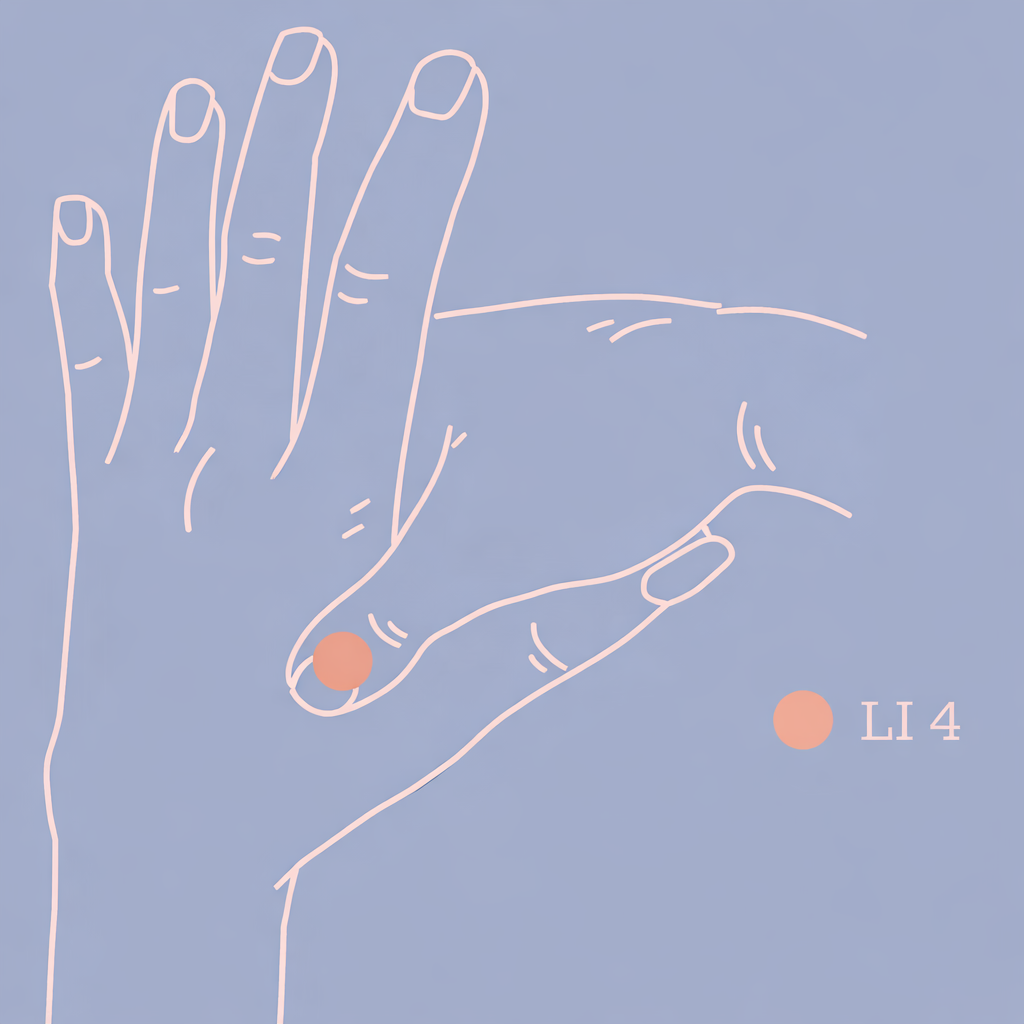
Large Intestine 4 (LI 4)
Located between the thumb and index finger, this point is known as the command point for the head and face. It is commonly used to relieve pain and tension and to help move stagnant energy. This point should not be used during pregnancy.
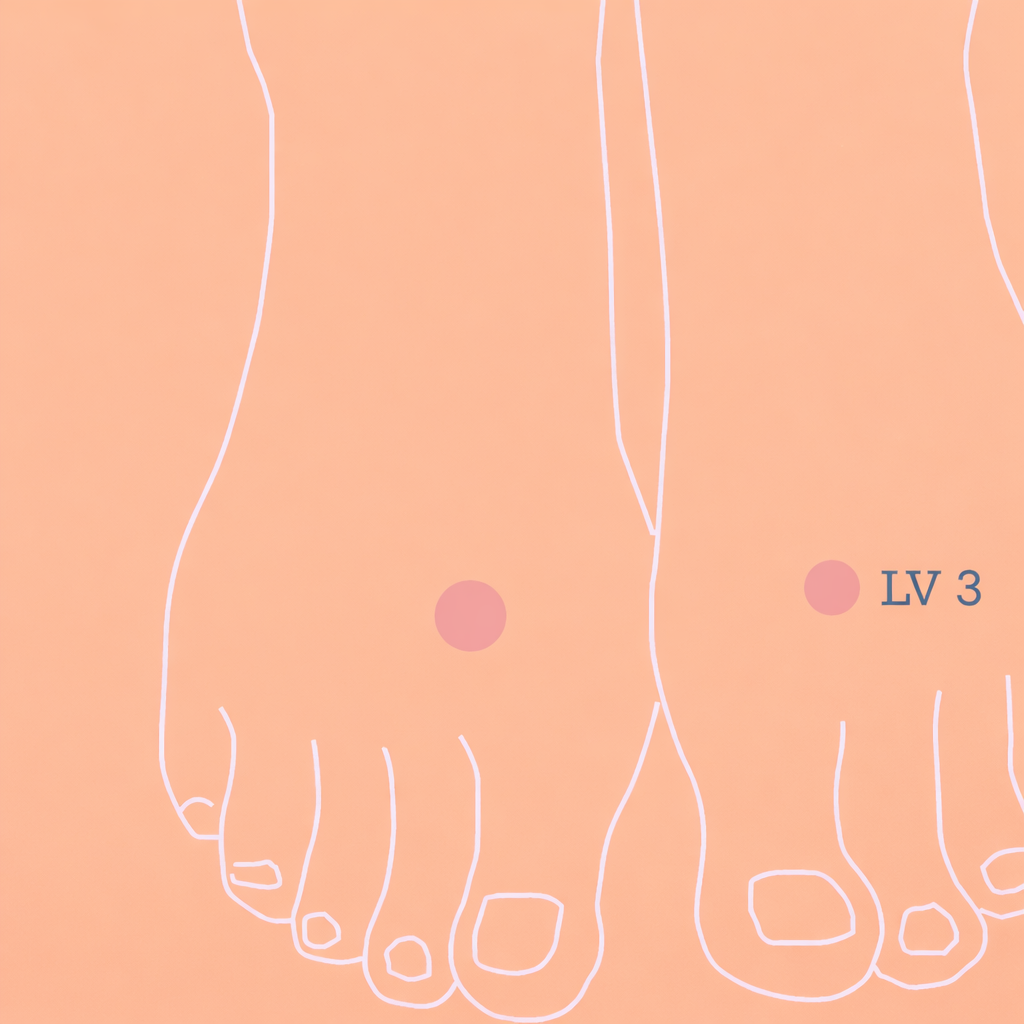
Liver 3 (LV 3)
Found on the top of the foot between the big toe and second toe, this point helps relieve stress-related tension and supports emotional regulation. It is often paired with LI 4 for headache support.
Migraines are often influenced by daily habits.
Acupuncture is not about masking symptoms. It is about changing the patterns that allow migraines to keep happening.
By supporting nervous system regulation, circulation, and overall balance, acupuncture offers a sustainable option for long-term migraine relief. When combined with simple at-home practices and lifestyle adjustments, many people experience meaningful improvements in both frequency and quality of life.
With three convenient locations around Chicago, care is accessible whether you live in the city or nearby suburbs.
Can acupuncture really help with migraines?
Research and clinical experience suggest acupuncture can reduce migraine frequency and intensity, particularly when used consistently and as part of a broader care plan.
How many sessions do I need?
Some people notice improvement quickly, while others benefit from a series of treatments. Chronic migraines typically respond best to ongoing care.
Is acupuncture safe?
When performed by a licensed practitioner, acupuncture is considered very safe and has minimal side effects.
Can acupuncture be used alongside medication?
Yes. Many people use acupuncture alongside conventional treatments. Coordination with your healthcare provider is always recommended.
Do you treat migraines differently than regular headaches?
Yes. Migraine care is tailored based on symptom patterns, triggers, and overall health rather than using a one-size-fits-all approach.